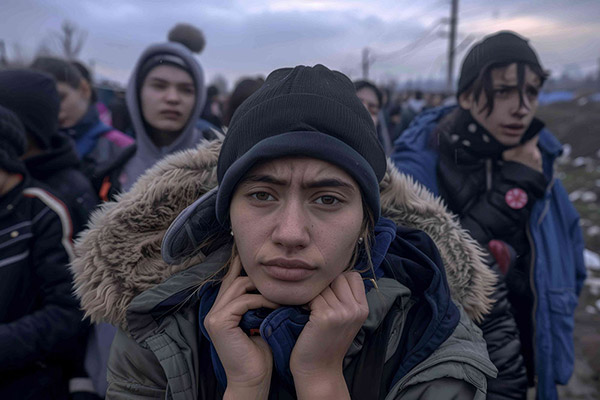



In Canada, the legal status of a Protected Person is determined through two main pathways: the Immigration and Refugee Board of Canada (IRB) and Immigration, Refugees and Citizenship Canada (IRCC). If the IRB reviews your case and finds that you are either a Convention Refugee or a person in need of protection, you are officially granted the status of a Protected Person. Similarly, if your application for a Pre-Removal Risk Assessment (PRRA) is approved by IRCC, you are also recognized as a Protected Person. This status safeguards individuals who face threats such as torture, risk to life, or cruel and unusual punishment in their home country.
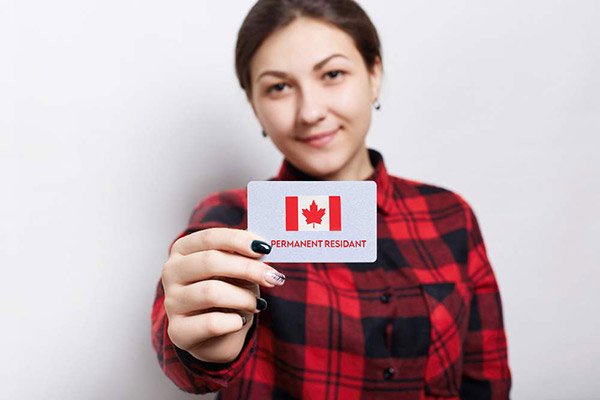
Once recognized as a Protected Person, you become eligible to apply for permanent residence in Canada under the Protected Persons and Convention Refugees Class, provided you meet the additional eligibility criteria set by IRCC. These include admissibility requirements related to security, criminality, and health.
In addition to these pathways, individuals who have been granted Temporary Residents Permits may also apply for permanent residence.
Applying for permanent residence as a Protected Person allows you to remain in Canada permanently and benefit from access to healthcare, education, social services, and eventually apply for Canadian citizenship. However, the process can be complex and requires thorough documentation and legal understanding.
If your refugee claim has been approved by the IRB, your PRRA application has been successful, or you are a Temporary Resident Permit Holder, it is essential to seek proper legal guidance. Contact a Canadian Immigration Lawyer at B.Kay Law Office to schedule a consultation. We can assess your eligibility, guide you through the application process, and ensure that you meet all requirements for applying for permanent residence under this class.