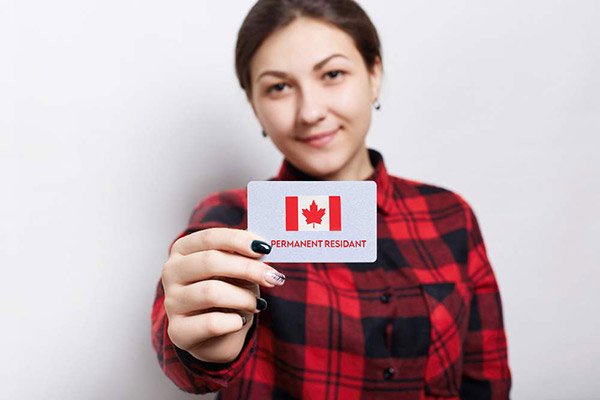



The Family Sponsorship Program under Canada’s immigration system allows Canadian citizens and permanent residents to sponsor their spouse, common-law partner, conjugal partner, or dependent child for permanent residence. This stream reflects Canada’s commitment to keeping families together and supports reunification by allowing eligible family members to live, work, and study in Canada permanently.
You may sponsor your spouse, common-law partner, conjugal partner or dependent child for permanent residence in Canada if you are at least 18 years old and a Canadian citizen, an Indian registered under the Canadian Indian Act or a permanent resident of Canada and meet other requirements specified by the Immigration, Refugees and Citizenship Canada (IRCC).
You can sponsor your spouse, common-law partner or conjugal partner who is at least 18 years old and/or your dependent child. The sponsored person must meet all requirements of their application for permanent residence in Canada.
If you have sponsored your spouse or common-law partner under the Spouse or Common-Law Partner in Canada Class, your spouse or common-law partner may also be eligible to apply for an Open Work Permit while their permanent residence application is in process.
If you are planning to sponsor your spouse, common-law partner, conjugal partner, or dependent child for permanent residence in Canada, B.Kay Law Office is here to help. We can guide you through the sponsorship process, explain your responsibilities under the sponsorship undertaking, and ensure your application is prepared correctly. Contact Canadian Immigration Lawyer Bikramjit Singh today to schedule a consultation and receive step-by-step guidance tailored to your situation.
To begin the process, the sponsor must submit a sponsorship application, and the sponsored person must submit a permanent residence application simultaneously. These applications are reviewed together by Immigration, Refugees and Citizenship Canada (IRCC). There are two processing types: inland and outland. Approval depends on meeting eligibility and relationship requirements.
The sponsor must be:
The relationship must be genuine and fall under one of the eligible categories:
This stream offers a compassionate and efficient way to unite families and build a future together in Canada.